Health
9 Health Tests for Your Loved Ones That You Can Actually Do at Home!
5 min Read

Implementing a healthy lifestyle can be an effort to maintain health and prevent disease. However, some health disorders can occur without causing significant symptoms. The body continues to adapt to the situation, especially for the elderly who need extra attention to health conditions.
It is recommended that those aged 40 years and over should undergo routine medical check-ups to check risk factors including early detection in the body.
In addition to conducting routine annual medical check-ups, there are several examinations that can be done independently at home and the duration is more frequent, such as once every two weeks or once a month to monitor current health conditions. Here are some examinations that can be done at home.
1. Diabetes Risk Test
Diabetes is one of the diseases that is quite common in the elderly. To check it, You can measure the waist circumference 1 cm above the hips. In women, the maximum size is 34 and in men, the maximum size is 40. Measurement results that are more than the maximum limit have a 5 times greater chance of having type 2 diabetes.2. Spinal cord test
Use two weight scales for this measurement. First, try standing with one foot on one scale and the other foot on the other. The weight distribution should be approximately the same.If the numbers are different, this indicates that the hips, spine and skull are off-center. It may be time to visit a doctor or physiotherapist for the necessary tests.
3. Respiratory System Test
The Shtange Test method is a method used to test the respiratory system. Use a stopwatch to do this test. First, sit down and inhale for 3 times in a row without exhaling. Then, hold your breath as long as possible while pressing the stopwatch.If the breath can be held for less than 40 seconds, then the respiratory system is not working very well. The average result of people who have a normal respiratory system is 40-49 seconds. If the breath can be held for more than 50 seconds, this indicates a good respiratory system.
4. Bone Health Test
It turns out that bone health can also be seen from nails, You. Nails that break easily, split or have white spots, then you need to be alert because it can indicate a condition of vitamin B and iron deficiency so that there is a risk of osteoporosis.5. Body Temperature Test
Fever is a condition of increased body temperature and indicates infection. Body temperature checks can be done every day using a thermometer. Normal body temperature is between 36 - 37 degrees Celsius.6. Blood Sugar Level Test
Another health test that can be done is a blood sugar level test using a self-sugar meter. Loved ones who have diabetes or are at high risk of developing diabetes should do this routinely.This test needs to be done because diabetes can cause complications such as heart disease, kidney disease, stroke and even blindness.
7. Blood Pressure Test
Currently, there are many digital blood pressure measuring devices that can be used easily. Although slightly more expensive than other home health test devices, this device can be said to be an important investment to ensure body health.Although blood pressure naturally increases with age, normal blood pressure for all adolescents, adults and the elderly is around 90 - 120 mmHg for systolic blood pressure and 60 - 80 mmHg for diastolic blood pressure.
8. Breast Condition Test
SADARI is a way to detect abnormalities in the breast as early as possible. This test can be done with the help of hands, sight, touch and mirrors so that the examination becomes more thorough.9. Heart Rate and Body Oxygen Level Test
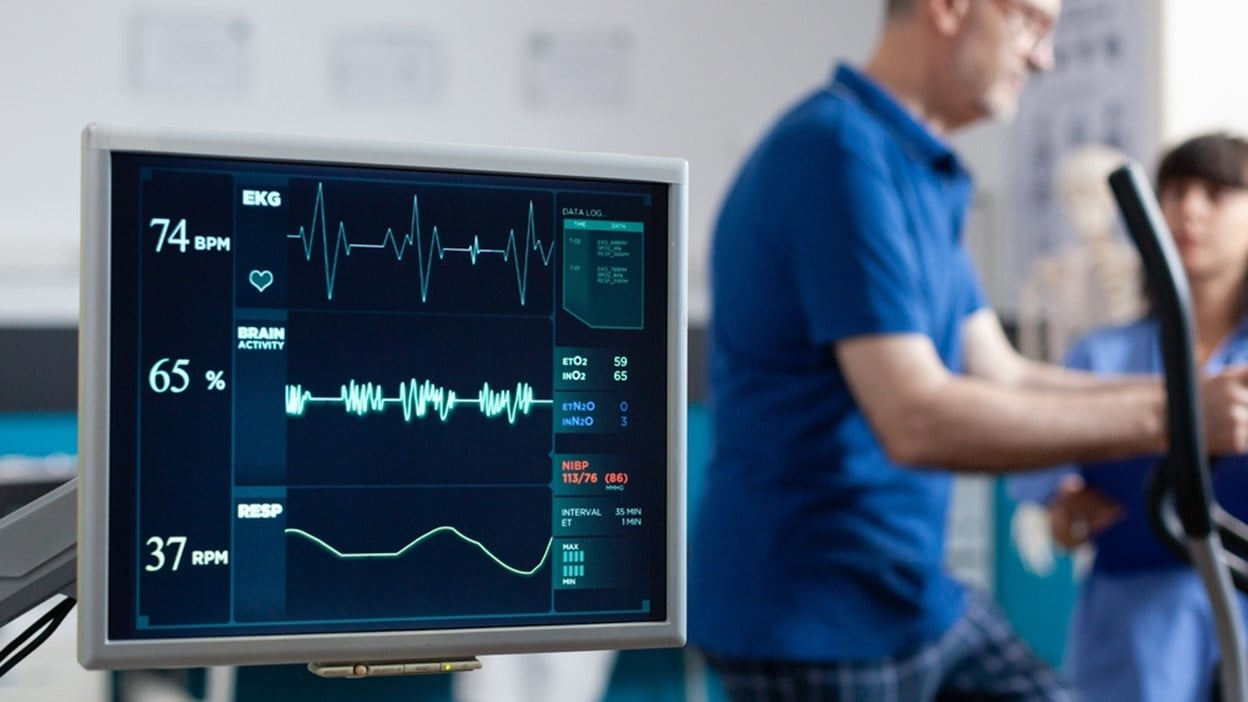
The pandemic period may have made us familiar with a tool called an oximeter. This tool can help check oxygen saturation levels in the body and heart rate.In addition, You can also check the heart rate through the pulse on the wrist or neck using the index finger and middle finger to feel the pulse.
Count how many beats occur in 1 minute. A healthy heart rate at rest is between 60 - 85 bpm. Meanwhile, to measure oxygen levels, you only need to insert your index finger into the oximeter.
This is a health test that can be done at home. However, keep in mind that this test cannot replace a doctor's diagnosis. This test only helps to carry out simple monitoring so that you can immediately see a doctor if the results are disturbing and not as expected. In addition, don't forget to keep doing annual medical check-ups, You.
So that your loved one remains comfortable all day long even though they experience various age-related diseases such as urinary incontinence, don't forget to use Confidence Pants which prevent leaks with 360-degree protection and are thin like wearing regular underwear. There are also Extra Absorbent Confidence Pants which have extra absorbency for up to 12 hours. Choose Confidence for the best solution for urinary incontinence.