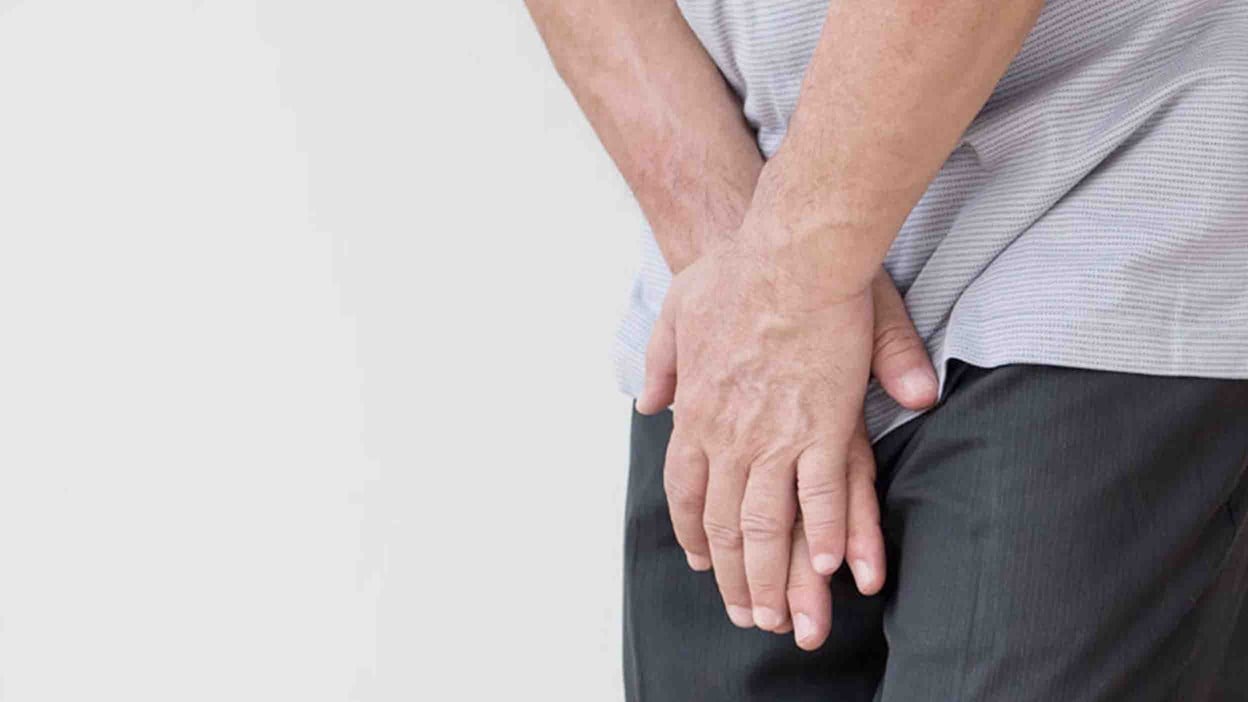
What Is Urinary Incontinence? Symptoms and How to Treat It
Maybe most of us are not familiar when we hear the word Urinary Incontinence. This health disorder is actually the scientific name for difficulty holding urine or in more common terms is bedwetting. It turns out that this phenomenon can not only be experienced by babies or small children, but even only experienced by the elderly. Urinary incontinence can occur at various ages. Especially concerning an unhealthy lifestyle.
Urinary incontinence is not a common bedwetting phenomenon. If the phenomenon of bedwetting, the person experiencing it is not aware, Urinary Incontinence occurs when in a conscious state. Urinary incontinence is a disruption of conditions in the lower urinary tract, but in some cases that occur Urinary Incontinence is not always related to conditions in the lower urinary tract.
Basically, Urinary Incontinence occurs because there is a physiological disorder in the urinary tract so that it is unable to accommodate urine optimally. Urinary Incontinence has several different types of causes. Stress Incontinence usually occurs after a cesarean delivery process, post-surgery to obesity. Next, there is the type of Urge Incontinence, which occurs due to an unhealthy lifestyle, such as excessive caffeine consumption, drinking alcohol to smoking.
In addition, there is also Overflow Incontinence, which occurs due to prostate gland swelling, constipation to tumors in the bladder. The fourth type is total Urinary Incontinence, which occurs due to abnormalities in the structure of the bladder from birth (congenital) to spinal cord injuries. So that sufferers have difficulty holding urine to wetting themselves.
Overactive urinary conditions for sufferers of Urinary Incontinence usually suffer from diseases such as Alzheimer's, diabetes to stroke. This is caused by disorders of the urinary muscles or detrusor instability. Urinary Incontinence also usually occurs most often after surgery or changes in the physiological condition of the body that disrupt the bladder condition so that the bladder cannot accommodate urine optimally.
Urinary Incontinence can cause sufferers to experience psychological disorders ranging from impaired self-confidence, avoidance of the social environment, anxiety disorders to depression. In addition, Urinary Incontinence can cause other physiological impacts such as inflammation of the urinary tract to skin problems around the genitals.
In general, symptoms of Urinary Incontinence are felt in women 2 times greater than in men because the childbirth process causes the physiological condition of the bladder to change. Weak pelvic muscles due to the childbirth process are the main cause of why women tend to be at greater risk of suffering from Urinary Incontinence. Symptoms that often occur are difficulty holding urine even before reaching the bathroom or toilet, some other complaints are weak urinary flow disorders.
Overcoming symptoms of Urinary Incontinence can be started by changing your lifestyle. Set a healthier and more regular lifestyle to reduce the symptoms that occur, if you still experience Urinary Incontinence after lifestyle changes, consult a medical expert immediately. In the meantime, you can use comfortable adult diapers so that you can do activities calmly and comfortably, and free from worry if urine wets your pants.
Choose Confidence which is the number one quality adult diaper. Confidence has two types of adult diapers, namely adhesive diapers for the elderly with bed rest conditions and diaper pants for the elderly who are still active.
Give the best for your loved ones with Confidence, so that they are always active and Dare to be More Confident.